




We have what it takes to turn the dream of robots into reality
Thank you for visiting Seoul National University Robotics Institute. I often think about where a good robot begins. My answer is that it begins not with a technology but with a question. Only when we have decided whose problem we are solving, and which problem, can we design a body and an intelligence to fit it. That is why we set out to build robots for people, not robots that merely resemble people.
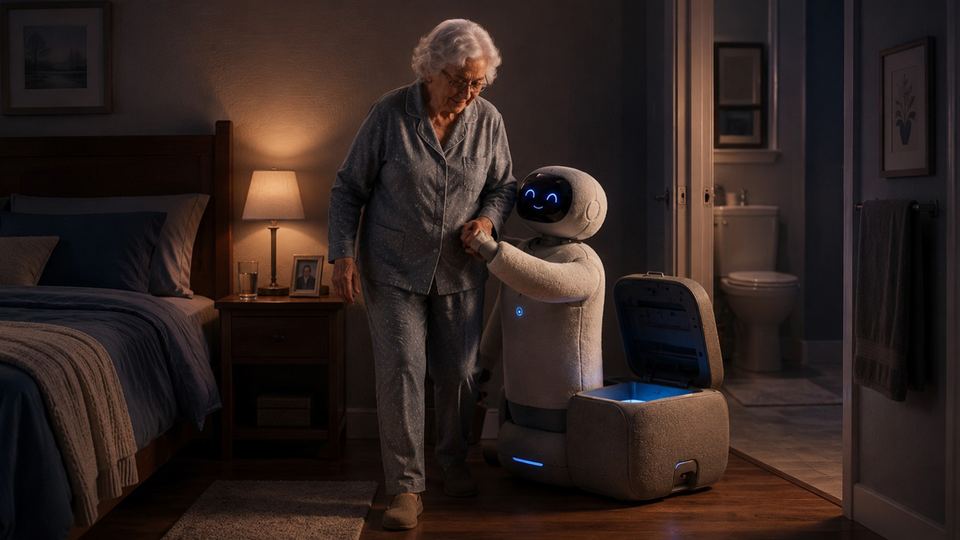
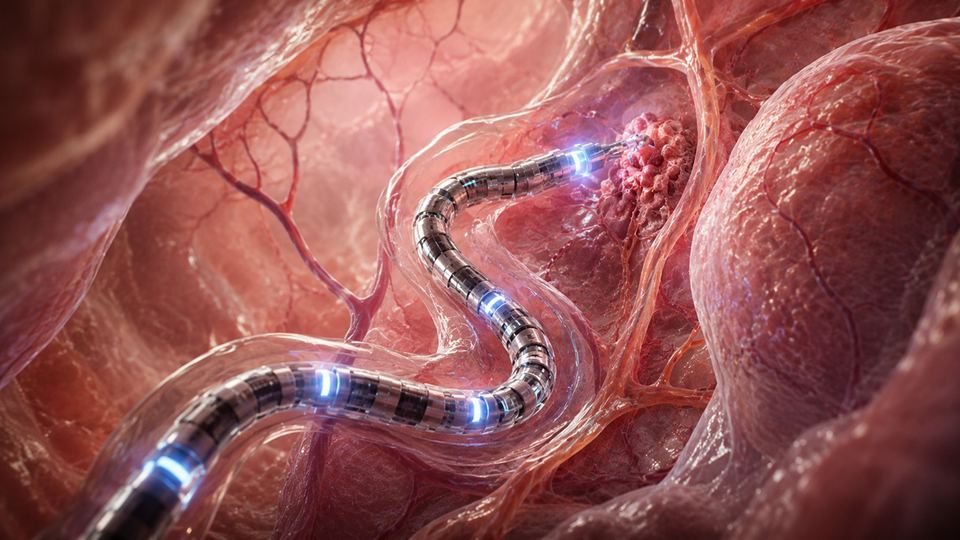
The places where this question matters most are close to home. In a super-aged society, more and more people who need care themselves are caring for someone else. What this reality calls for is not intelligence that stays on a screen but robots that lend real physical help, close to people’s bodies and in the spaces where they live. This is why the Institute’s research centers on robots that support daily life, wearable robots, and medical robots that help with diagnosis and treatment inside the body.
Robots used this close to people cannot be built with the knowledge of a single field. We have to consider not only how well a robot performs but also the body of the person using it, the environment they live in, and their safety. That is why more than 80 researchers from engineering, medicine, public health, brain and cognitive sciences, clothing and textiles, and the social sciences work together at the Institute. By convergence we do not mean everyone doing the same work toward the same goal. We mean one researcher’s idea being applied in a new way by another, and that result in turn moving yet another line of research.
A good idea, however, does not by itself become a good robot. A robot gets better through a cycle repeated many times: build it, use it in the field, and feed the problems that surface back into the design. It is hard for a single lab to sustain this cycle on its own. The Institute therefore aims to provide a shared foundation for turning ideas into real robots and testing them, to work with hospitals to confirm that they truly help, and to open a path from research results to commercialization and start-ups.
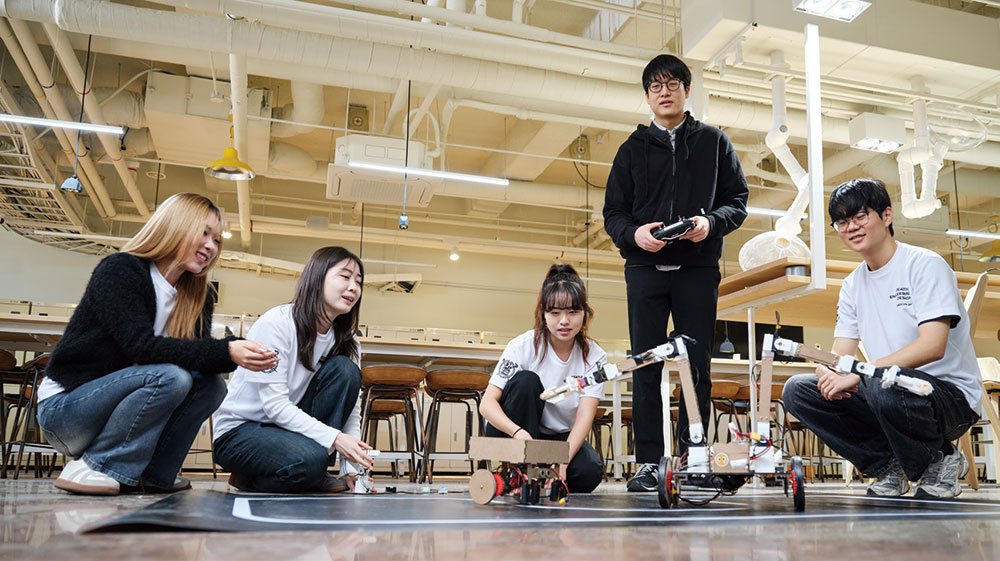
Researchers have long said that hardware is hard. A robot does not live in a metaverse where any idea can be realized; it has to work safely and usefully in the real world. That is why building the hardware we call a robot is inherently difficult. To accomplish something this hard, education, research and industry must form an ecosystem in which each feeds the others. Students learn by making things themselves; that experience becomes research; research is put to use in industry; and what is learned there returns to education and research.
Our selection as a National Research Lab allows us to concentrate on building this ecosystem for the next ten years. We will make the Institute a place that outstanding people seek out on their own. I hope that what none of us could do alone, we can now do together. We look forward to the researchers, students and companies who will build robots for people with us, and to everyone who needs them.
Kyu-Jin Cho Director, SNU Robotics Institute